Fukuoka again, and with my mum after two years
I went to Fukuoka earlier this month, and even in September it was still pretty hot.
I've been to Fukuoka more than three times now, but this was the first trip with my mum in two years. The airport has finished its renovation since then, so the terminal is much tidier now. Last time I took the subway to the hotel, but this time I decided to take the direct bus from the international terminal.
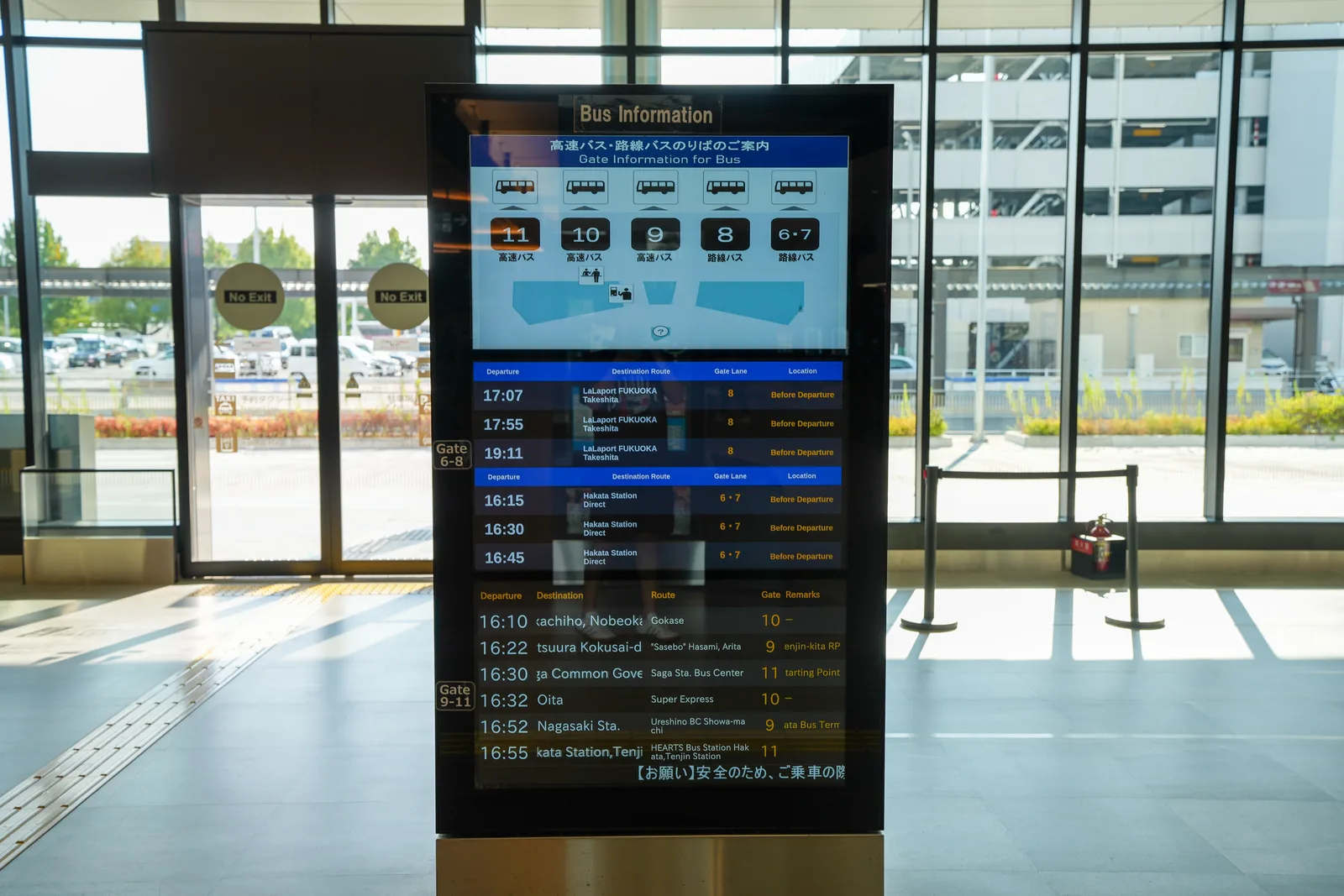
The first thing I look up before any trip is how to get from the airport into the city. Once that part is sorted and you've checked in somewhere, the rest of the trip tends to go smoothly.
Riding public transport also works a little differently in every country, so it helps to know the routine before you land.
From the airport into the city — bus or subway
There are two ways to get from Fukuoka Airport into the city: the subway, or the bus. I've done both, and if you're starting from the international terminal, the bus is easily the easier one.
| Option | What's good | What's not |
|---|---|---|
| Airport bus | Runs from the international terminal straight to Hakata or Tenjin with no stops | Slightly pricier than the subway. Longer gaps between departures, and you may well end up standing |
| Subway | Frequent, quick, and you get a seat. Reaches airport-line stations beyond Hakata and Tenjin | You have to take the shuttle bus from the international terminal to the domestic one first |
Buying the ticket first saves the confusion
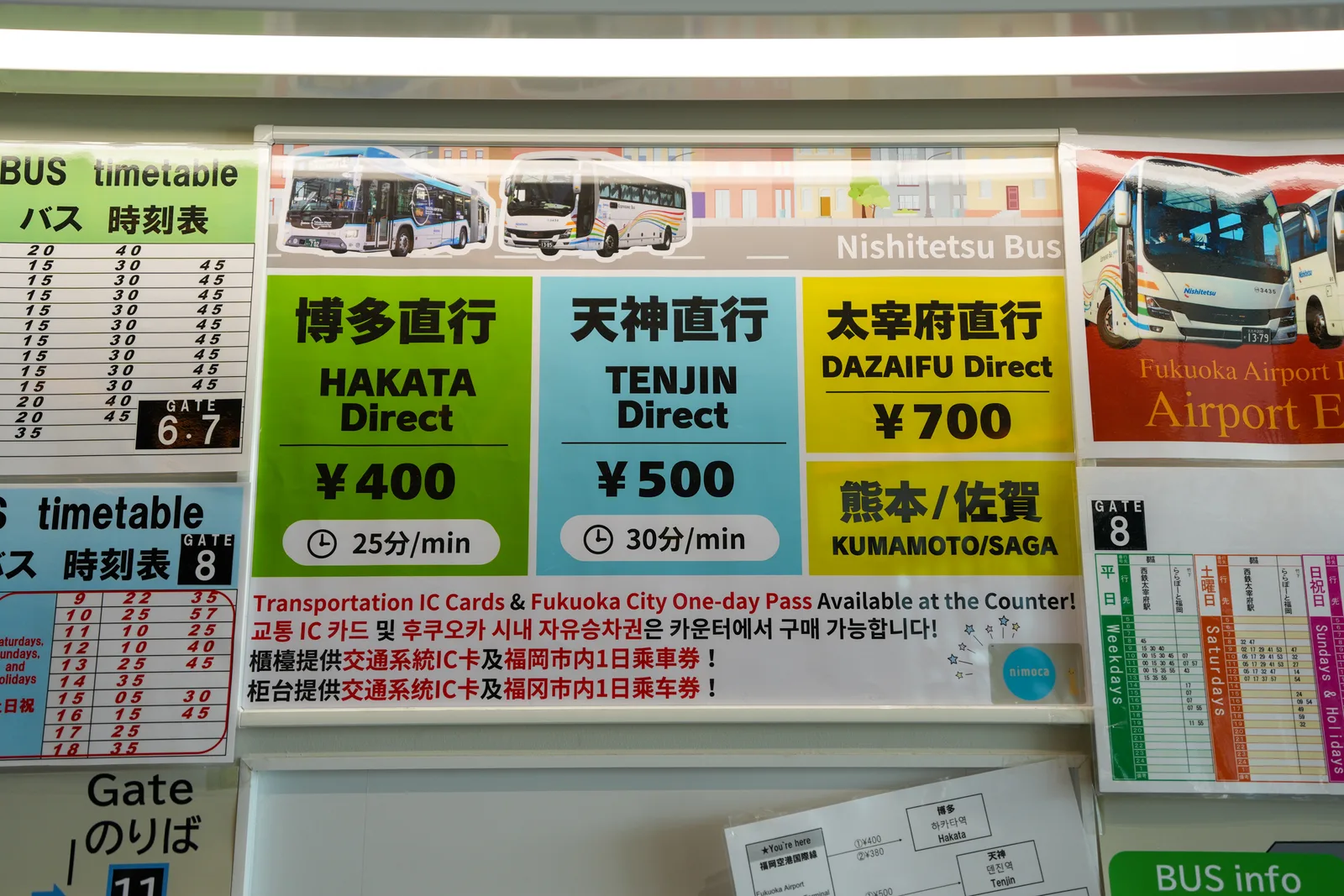
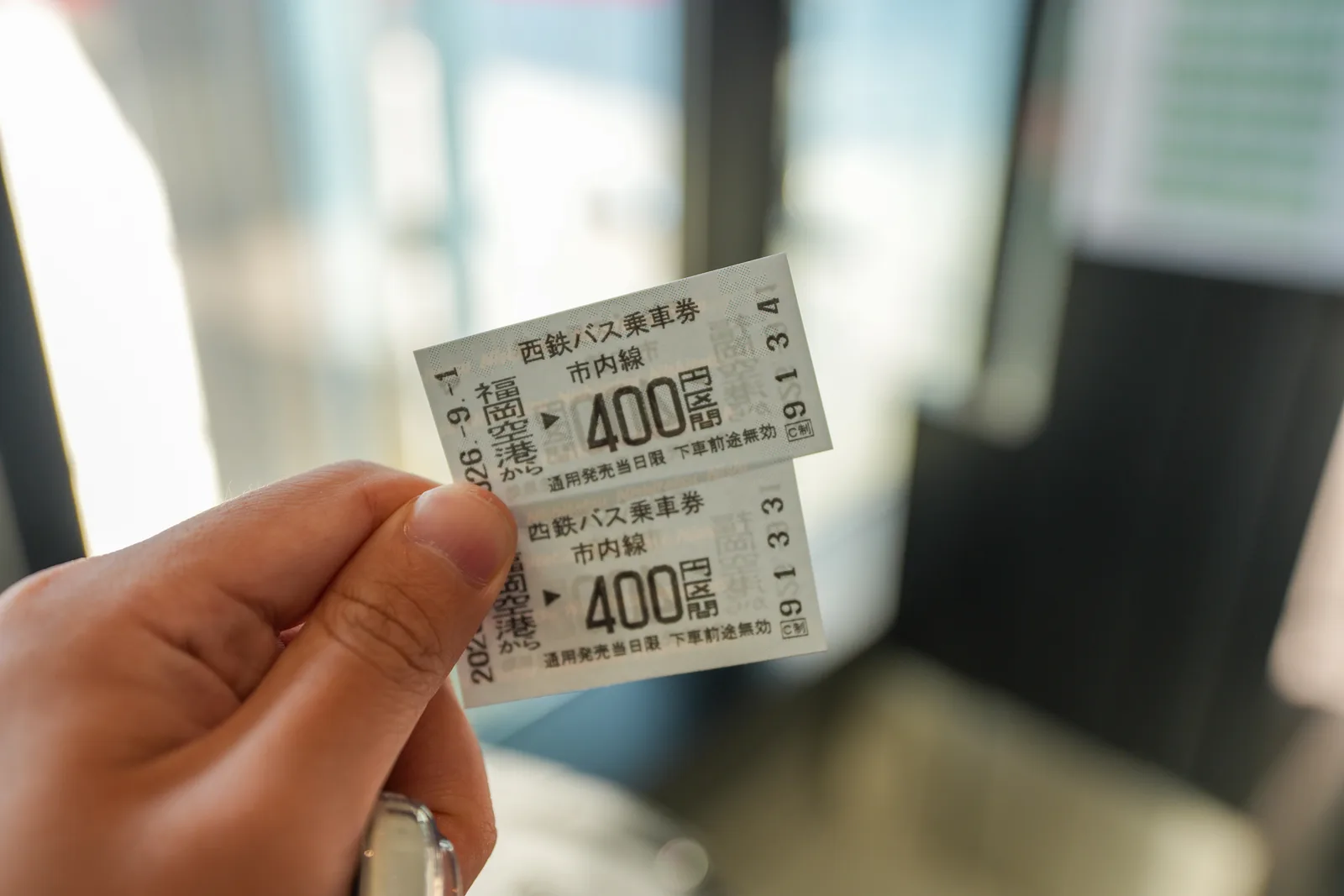
The bus to Hakata Station is 400 yen per person. You can tap a credit card as you board, but I bought a regular ticket instead.
The ticket machine takes cards anyway, so buying it in advance just meant one less thing to work out at the door.
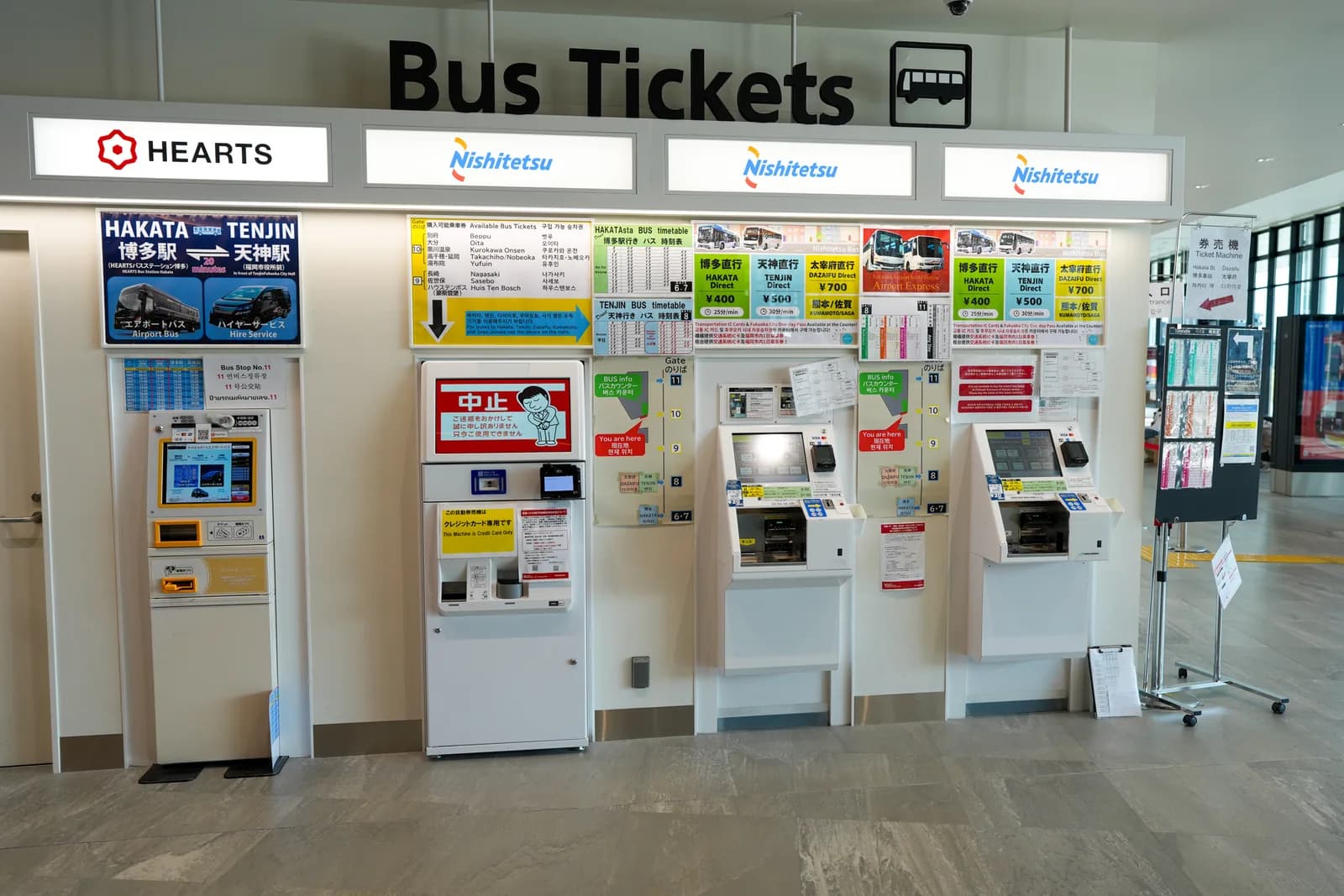
There's a button at the top of the screen for how many people are travelling, and then you pick your route. Besides Hakata, there are routes to Tenjin, LaLaport and Dazaifu.
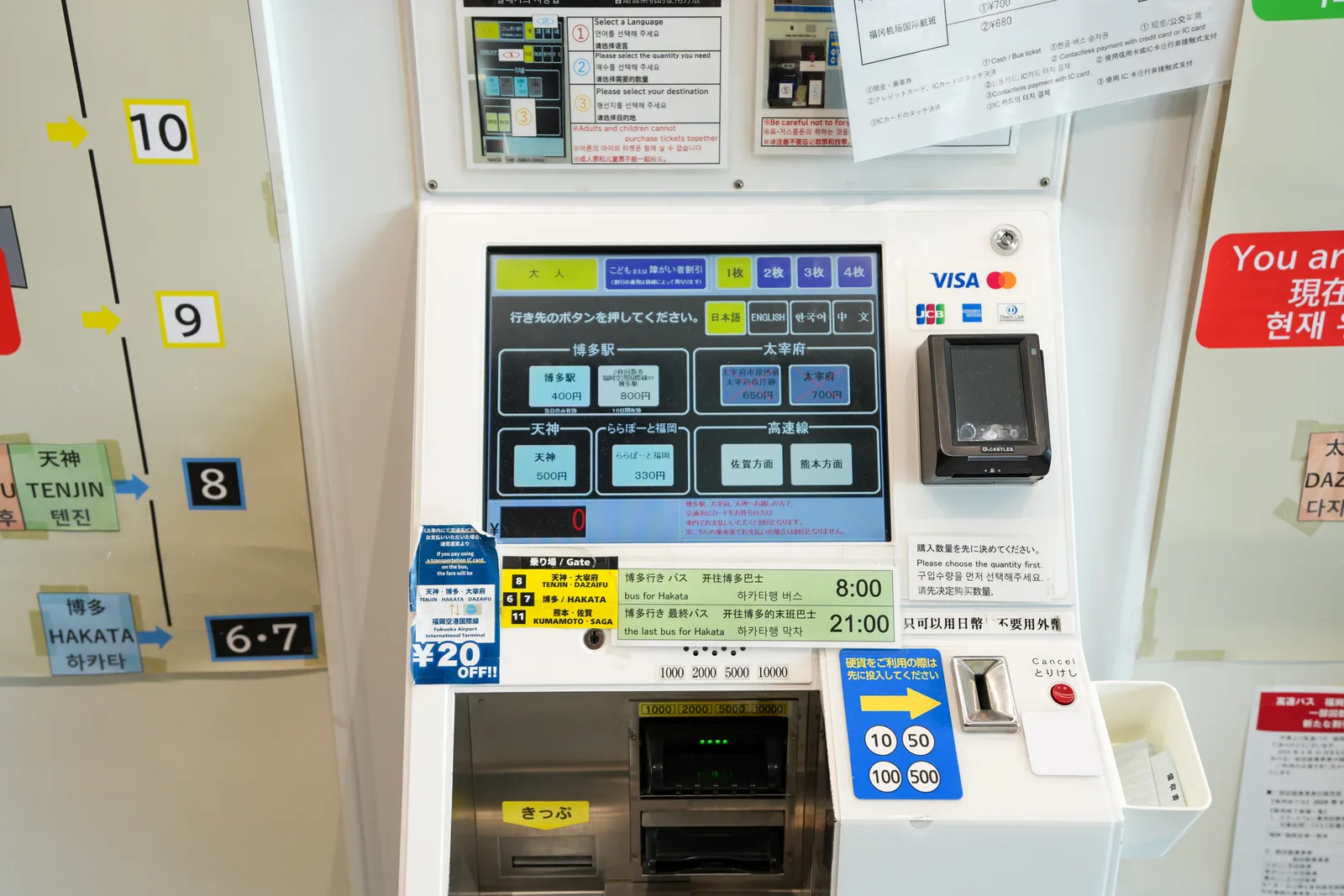
Platform 6, one bus every 15 minutes
Buses to Hakata leave from platform 6. When I got there, a staff member who spoke Korean was checking people one by one and directing the queue.
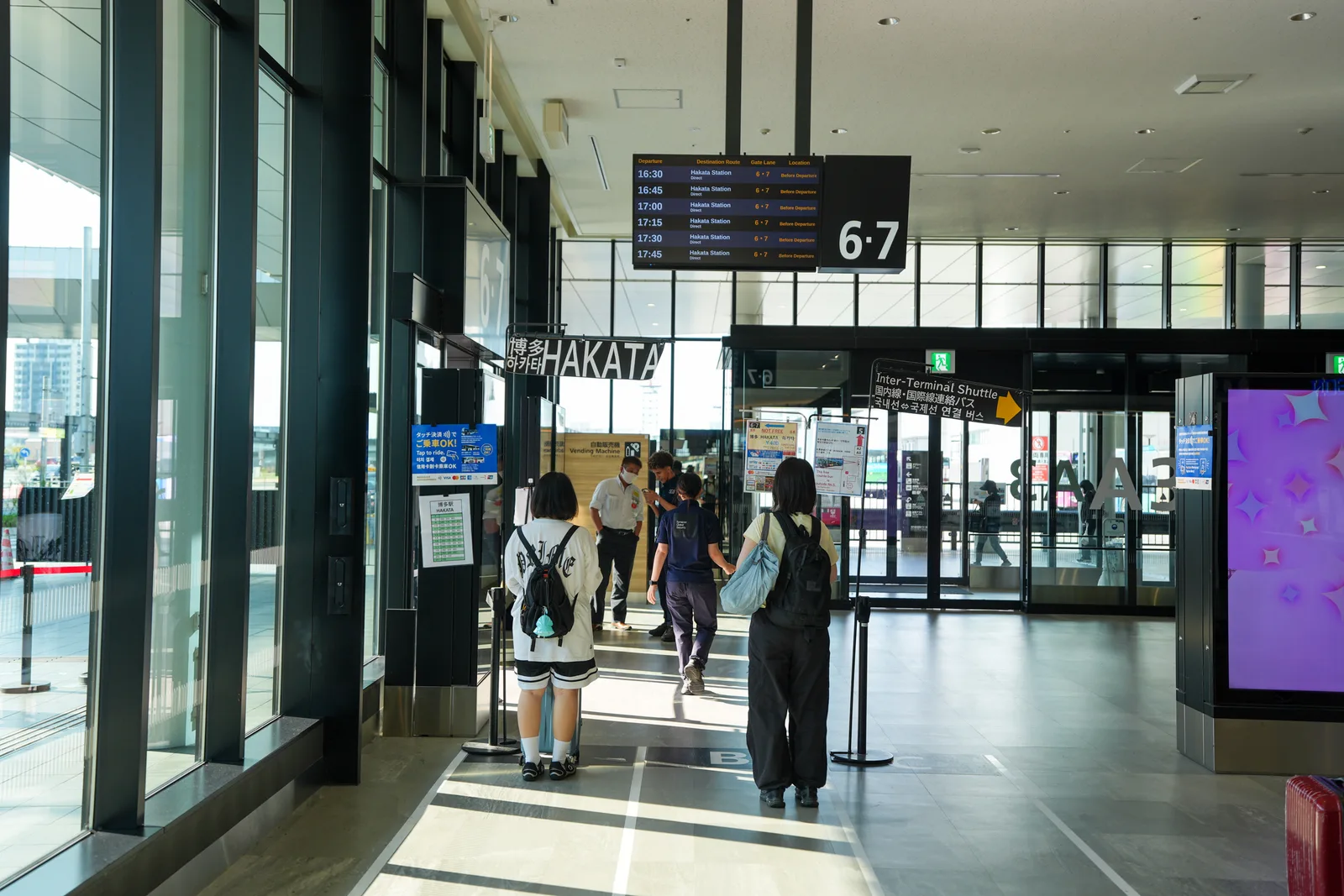
During the day they run about one bus every 15 minutes, which turned out to be a reasonable wait.
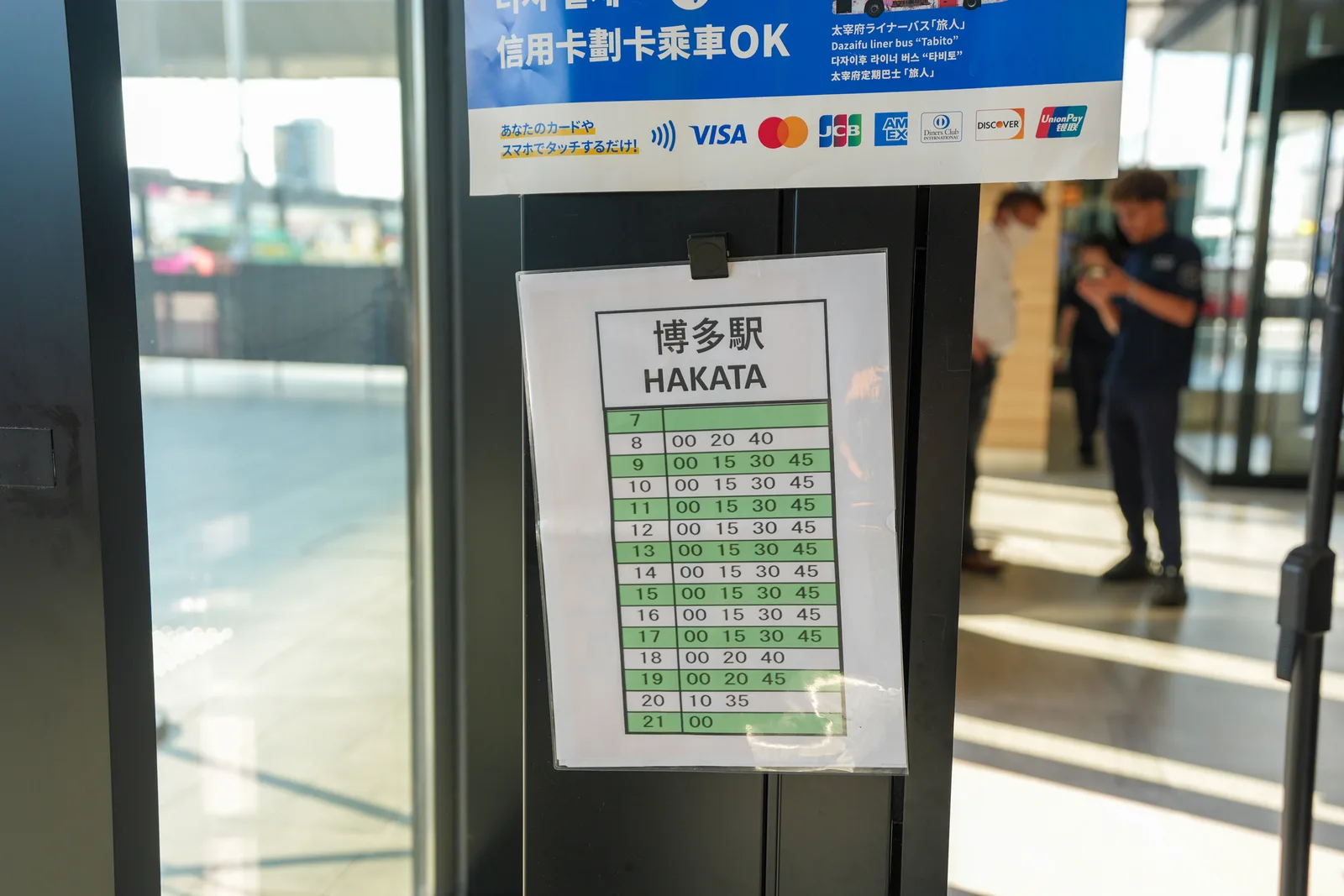
When I arrived the previous bus had just left, so there was almost no queue. On the way back, though, the line behind me was enormous and the bus went out full.
I used a printed ticket, which you simply hand to the staff member as you board through the front door.
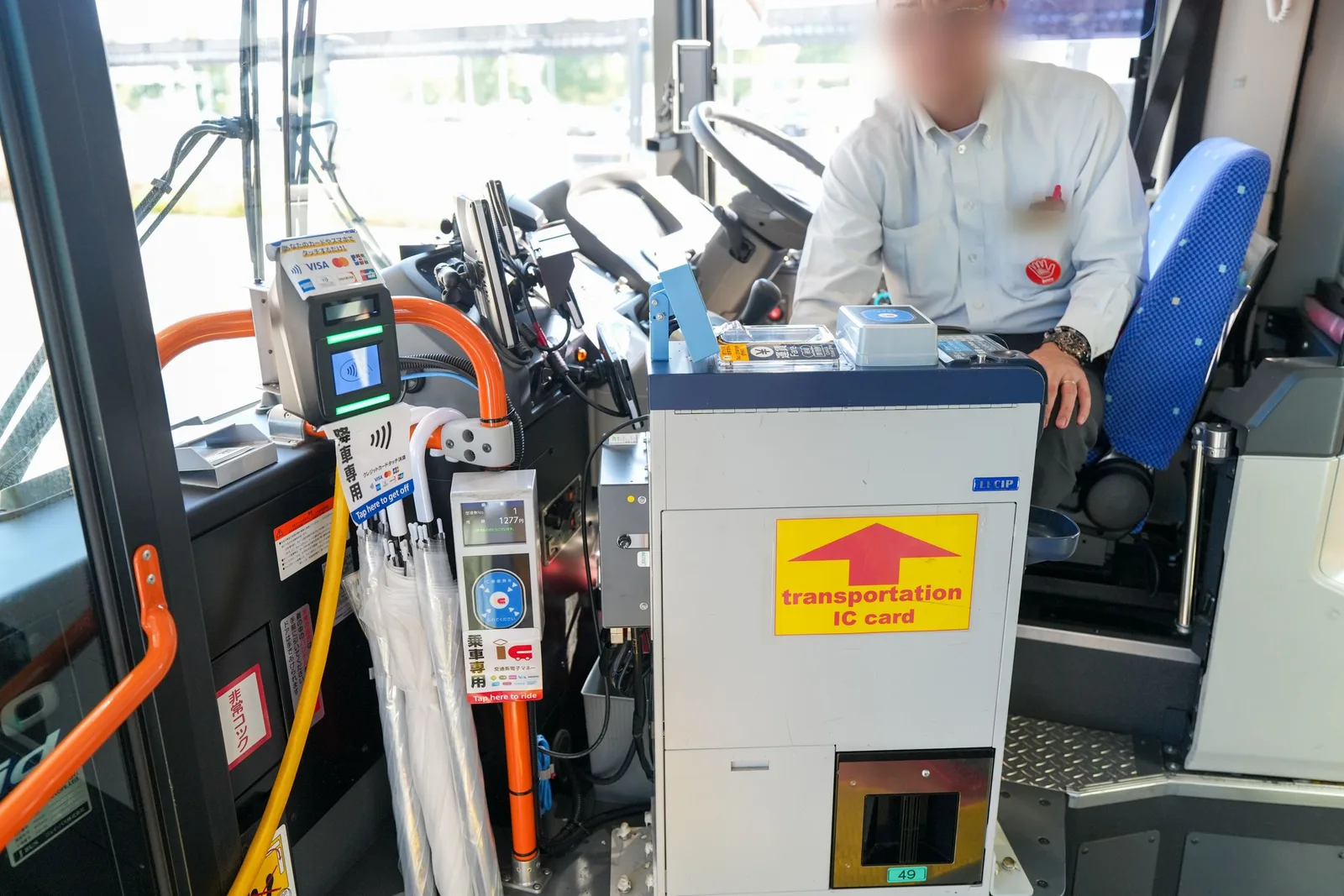
If you're tapping a regular credit card, use the card reader on the left. If you have a ticket like mine, the staff member points you to the slot for it. There's a separate slot again for IC cards like Suica or ICOCA.
The Hakata stop has moved
The ride from the airport into the city took about 25 minutes.
There's only one drop-off point at Hakata Station, and the stop has been moved recently — we got off in front of the Lawson on the east side of Hakata Station. You board at the same spot on the way back, so it's worth knowing where it is in advance.
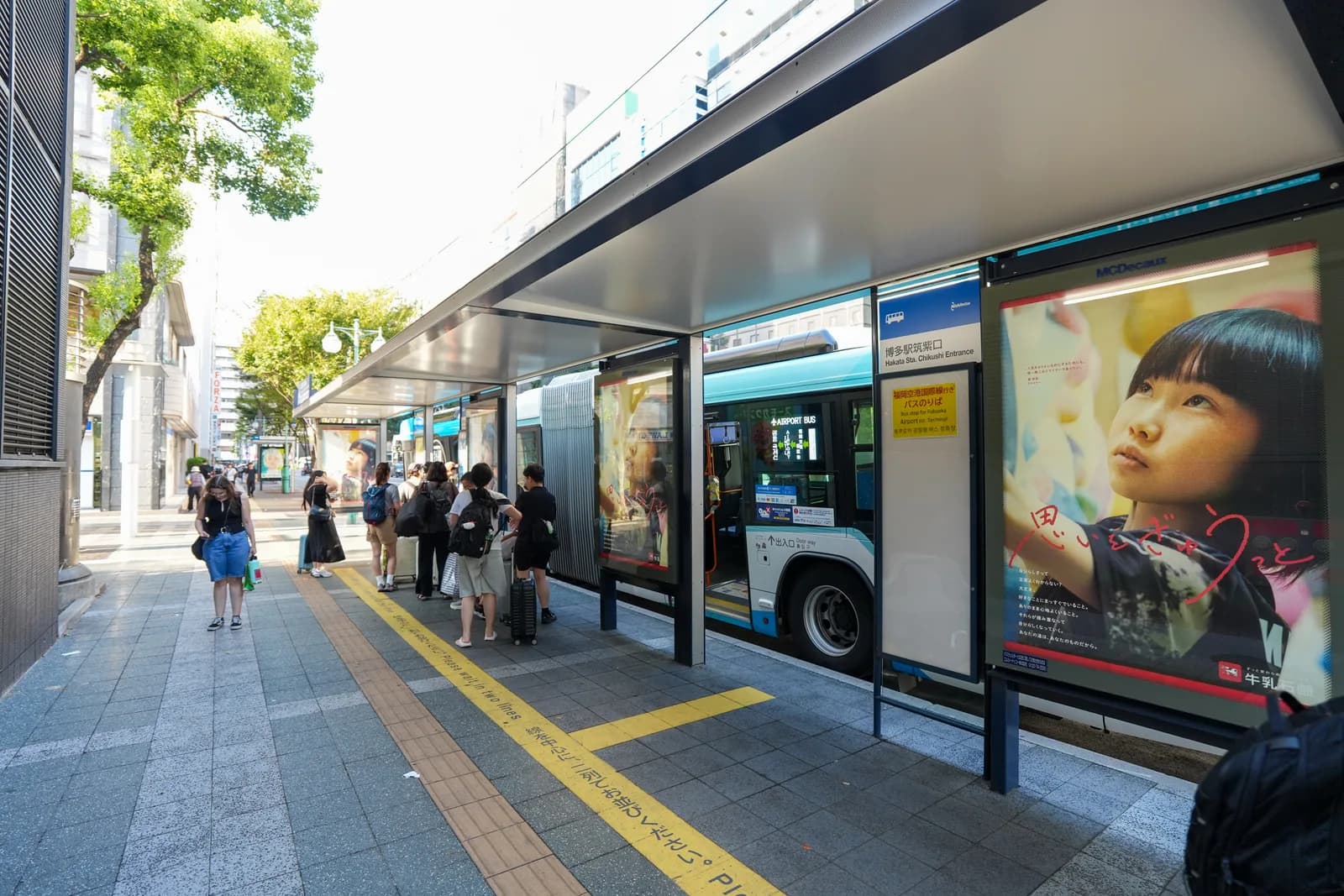
If you want a seat
The bus was a big one and it still filled up — people were standing all the way down the aisle. We'd queued near the front, so we got seats.
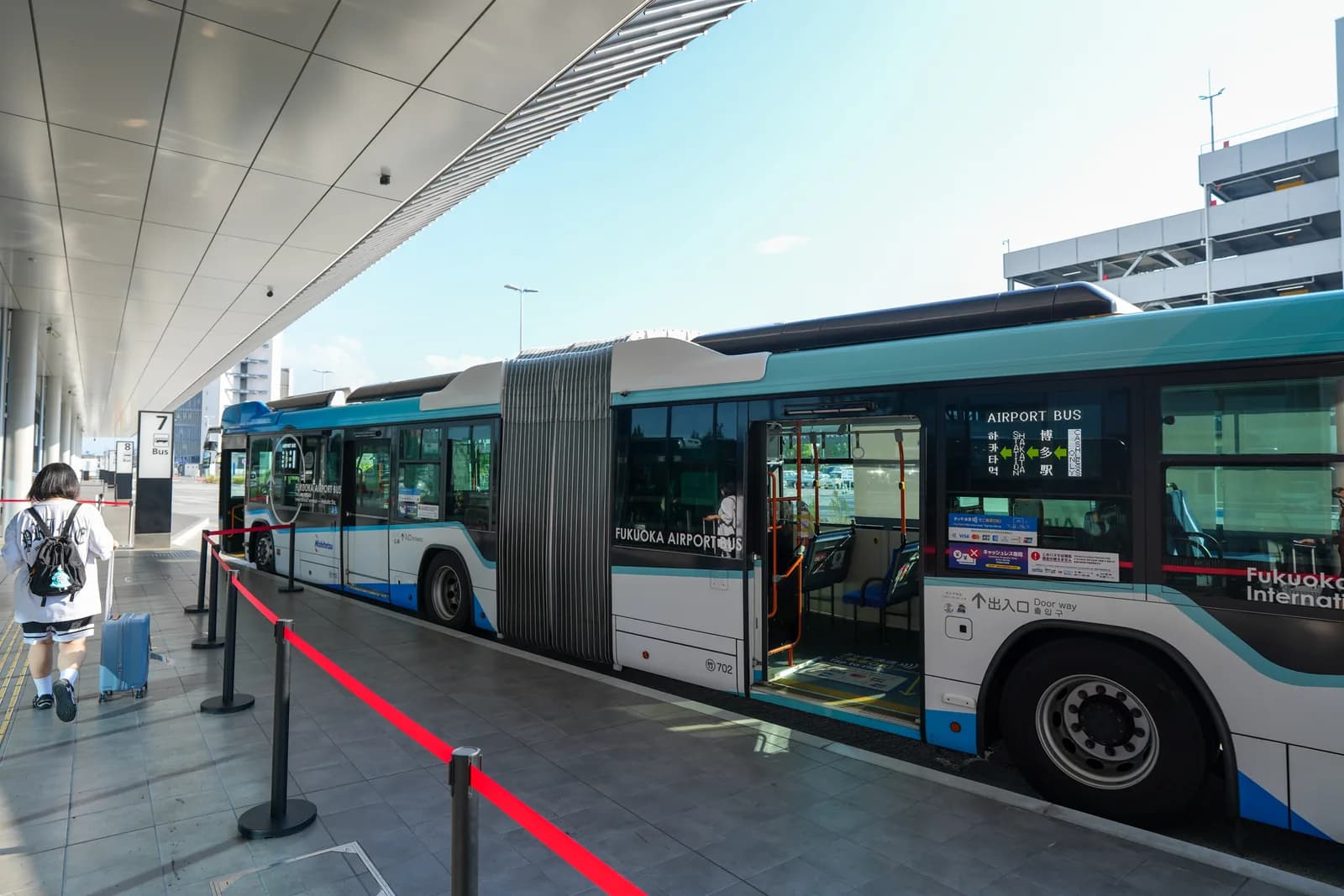
The ride does sway a fair bit, so if you're travelling with kids or with your parents, waiting for the next bus to get a seat is worth considering.
Fukuoka is a bus city
Because of how the city is laid out, you end up using buses far more than the subway in Fukuoka.
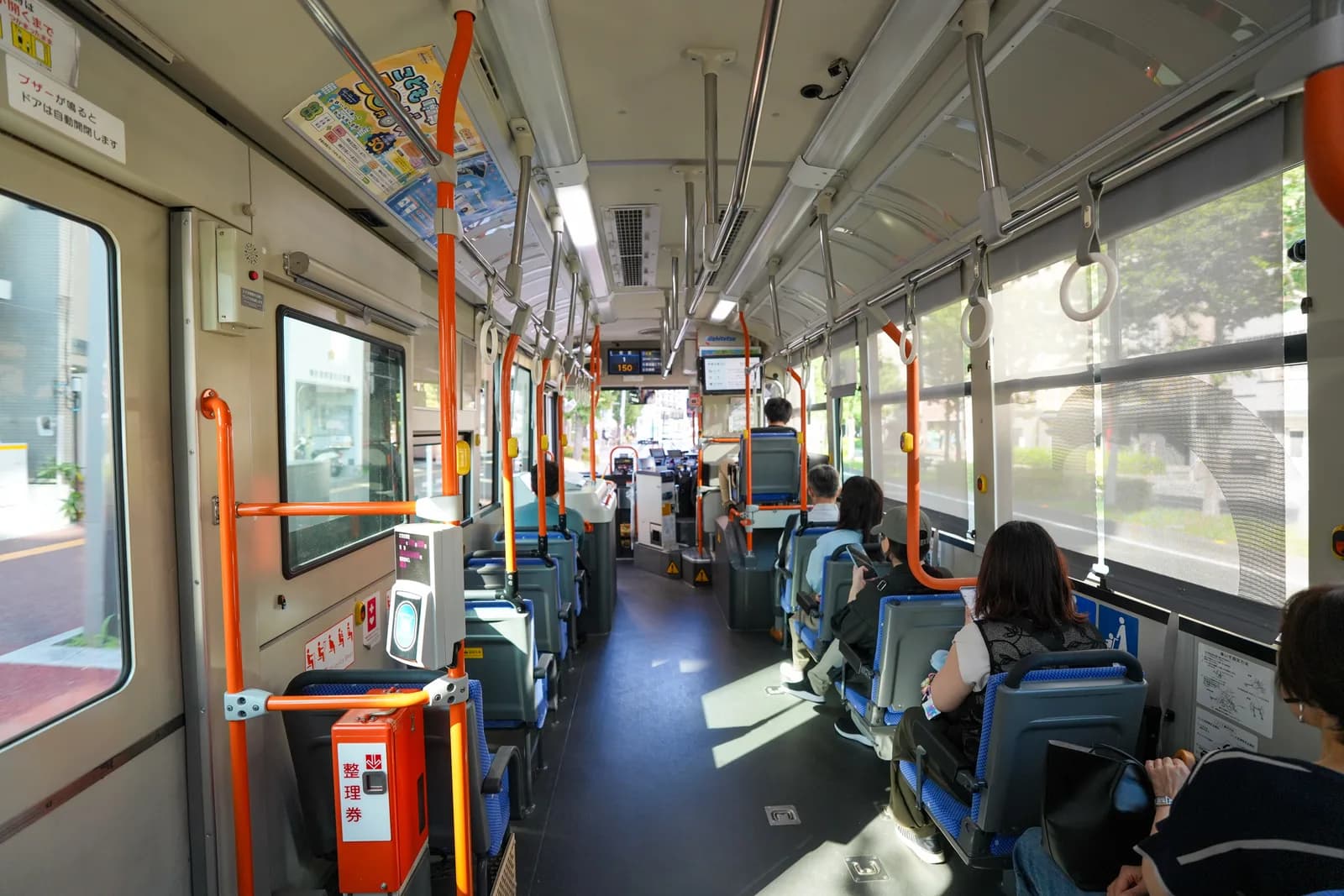
The timetables tend to be accurate, and some stops even show live arrival times.
Board at the back, get off at the front
Fukuoka buses work back-door on, front-door off.
If you're using an IC card, tap it on the reader by the back door, then tap again on the reader by the front door as you get off. Fares depend on distance, so you need both taps.
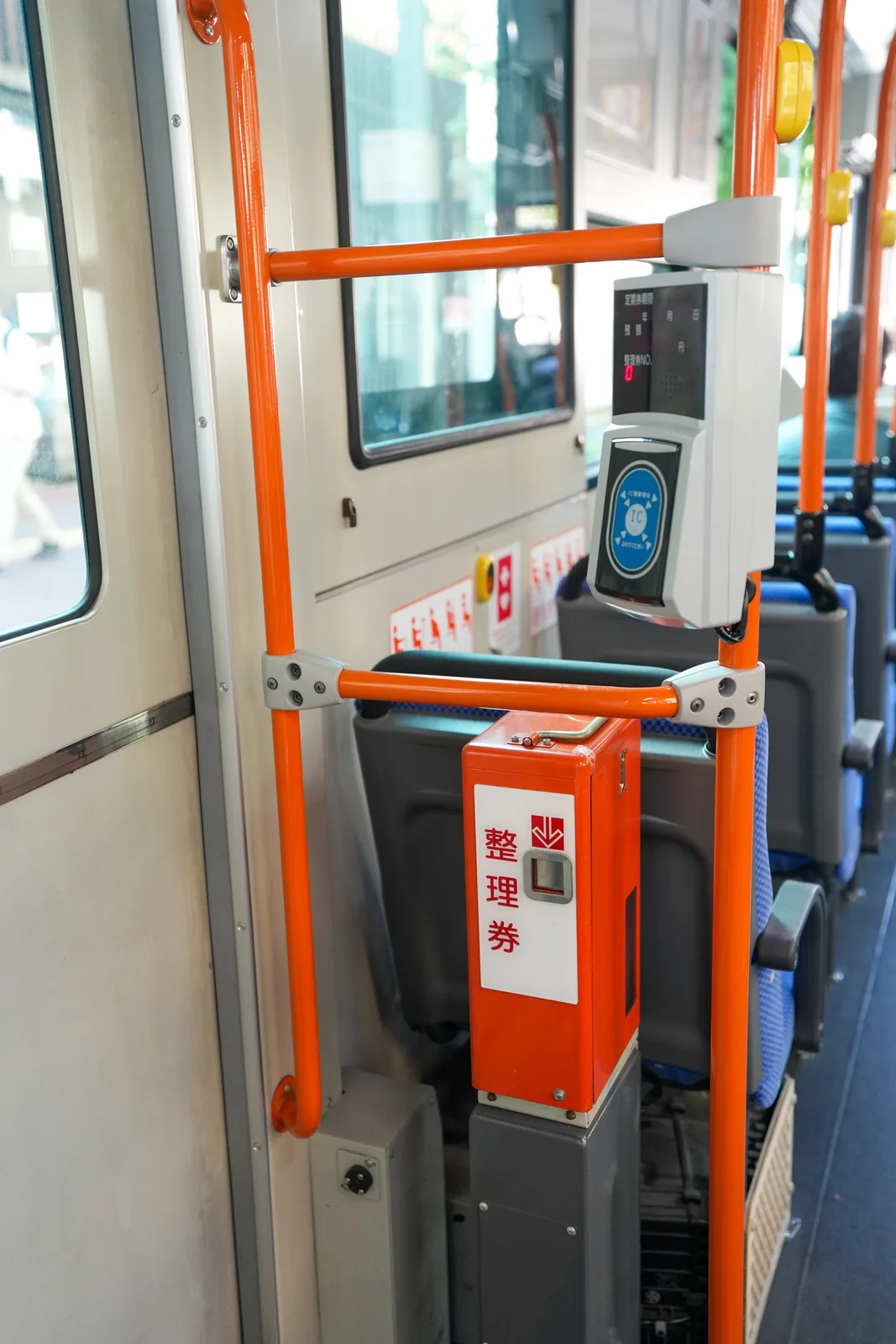
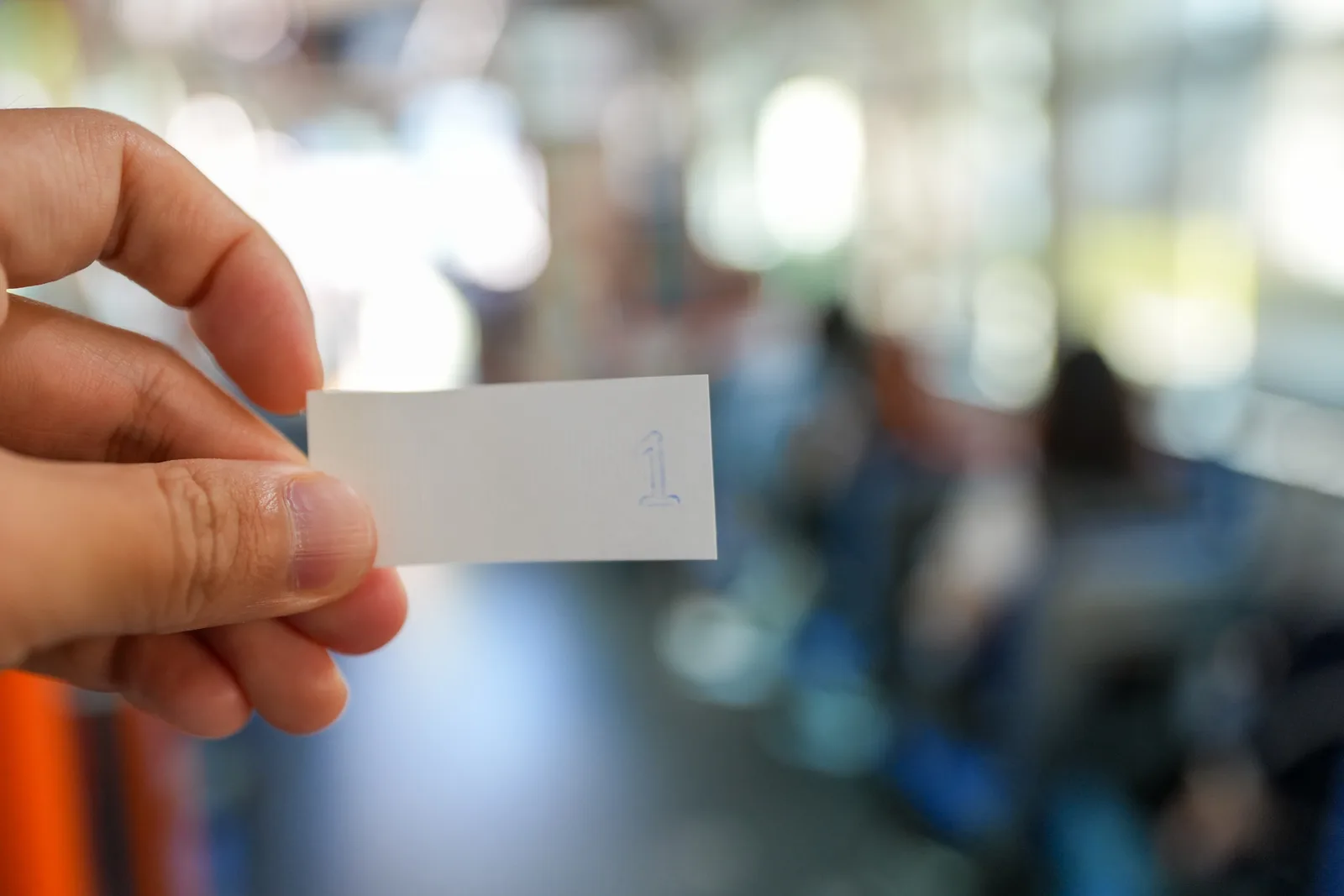
If you're paying cash, take a numbered ticket (整理券) from the machine just inside the back door when it opens. It only comes out while the door is open.
The number on it matches a number on the display next to the driver, which tells you what to pay when you get off. Checking the fare on Google Maps beforehand makes it easier still.
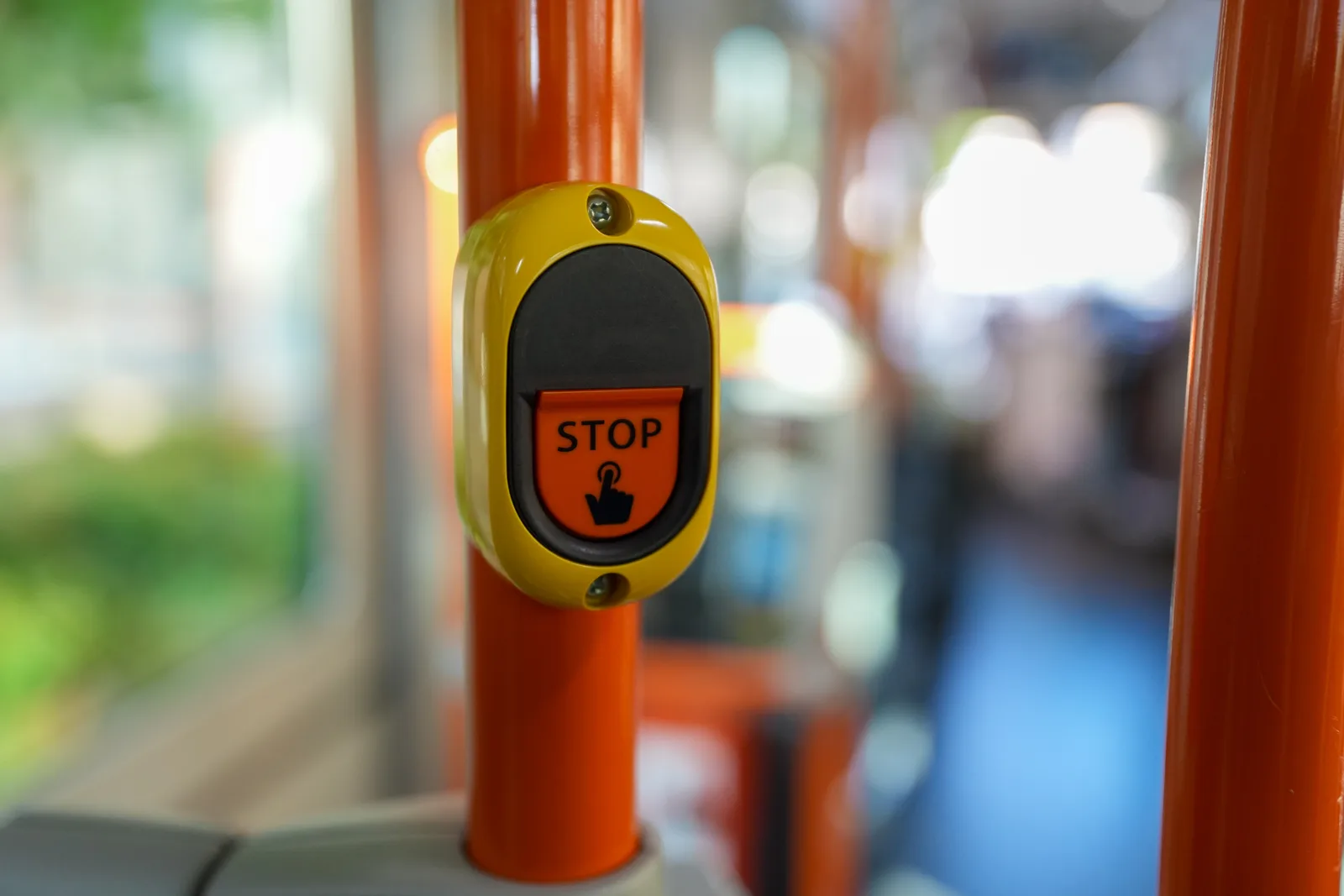
Press the stop button when you want to get off. If you're paying cash, there's no change given the way there is back home — you feed a note into the machine, it gives you coins, and you put the exact fare back in.
Nobody minds if you take a moment over it, so there's no need to rush.
Riding four or five times a day? Get the Green Pass
For one of the days with my mum I used the Green Pass, which gives you unlimited city bus rides in Fukuoka for a day.
You end up changing buses a lot in Fukuoka and transfers aren't free, so a day pass makes more sense. And in the summer heat we took the bus even for short distances.
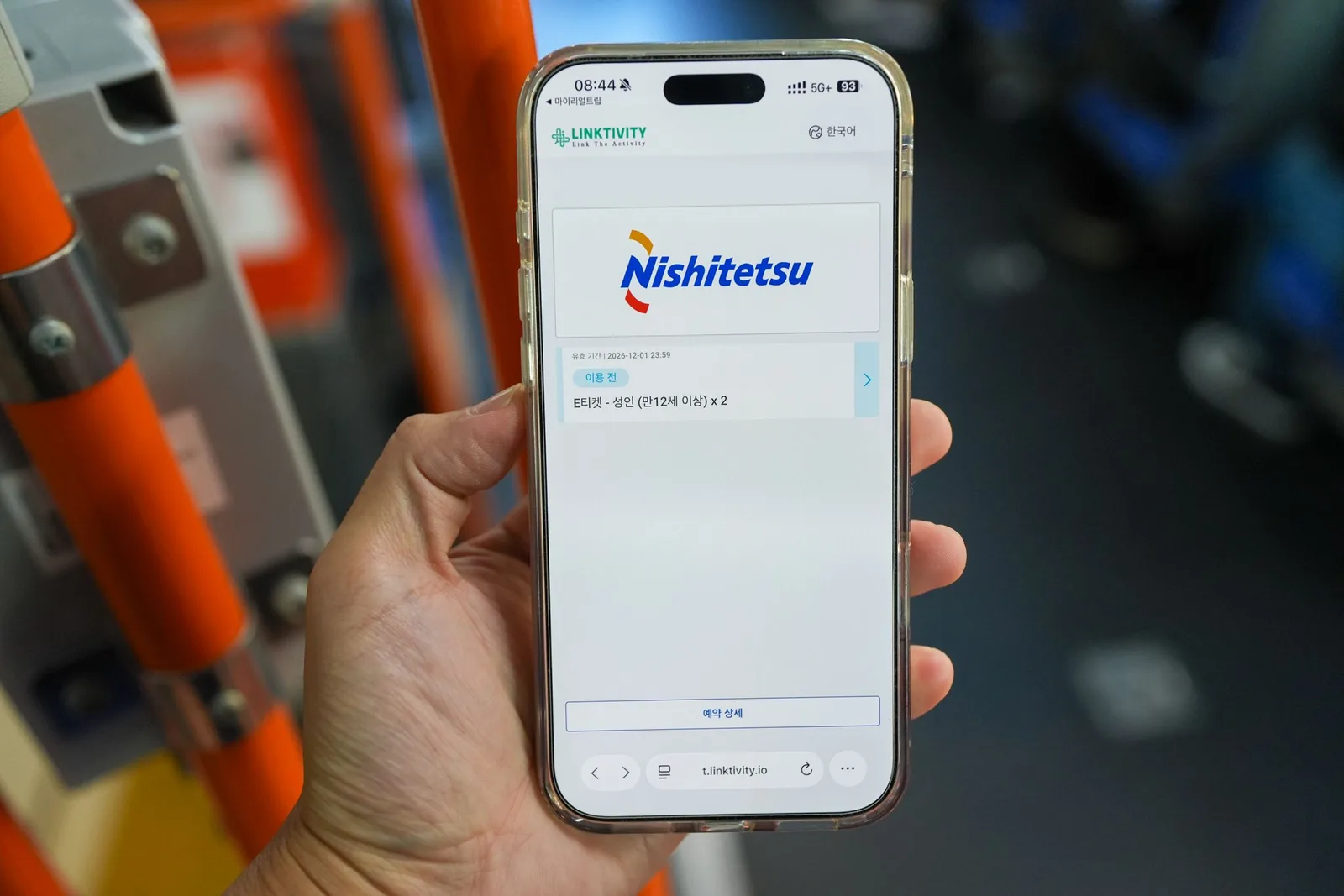
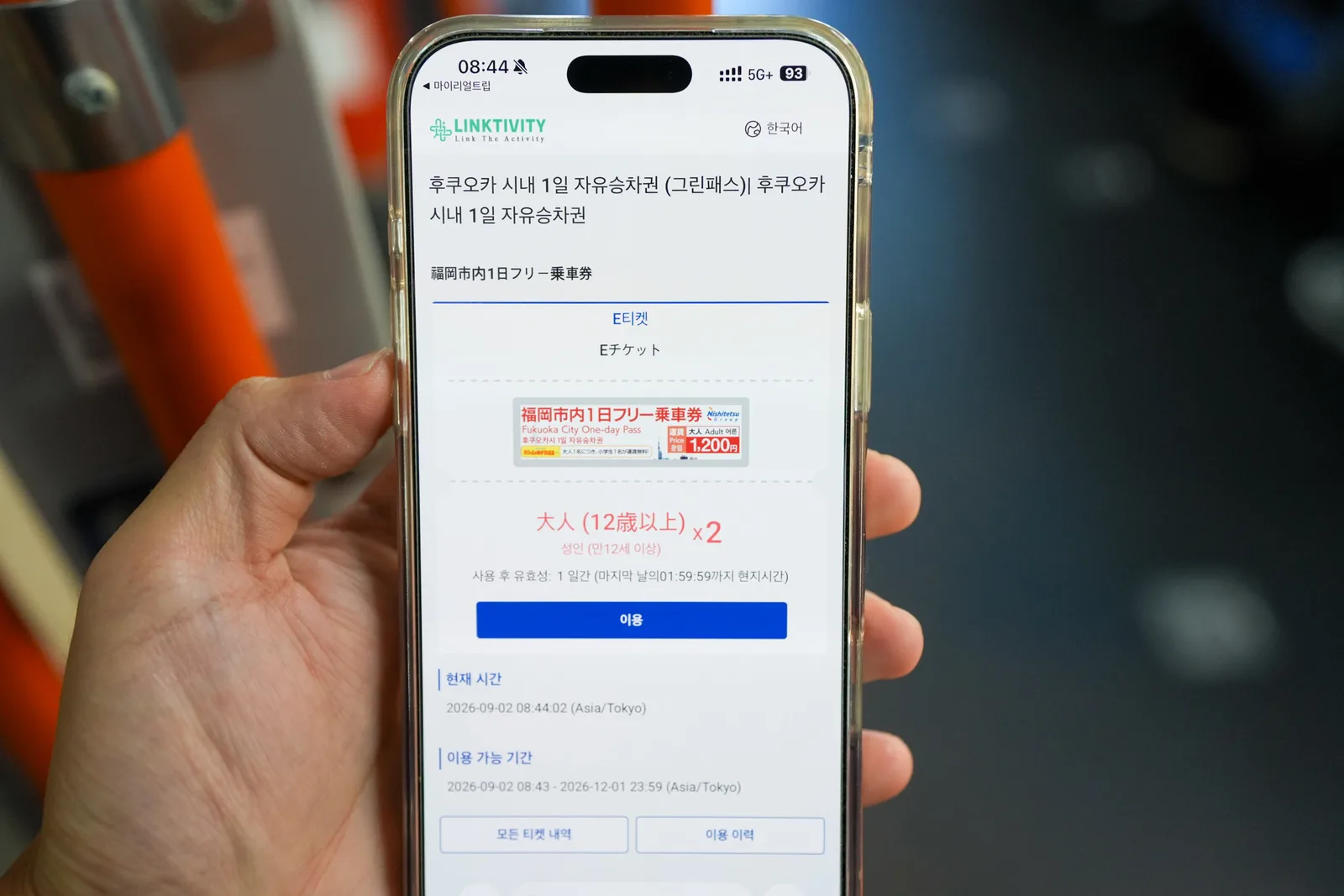
I bought mine online for roughly 10,000 won per person. A single bus ride in Fukuoka is usually around 260 yen, so if you're planning four or five rides the pass pays for itself.
It's especially worth it if you're heading to Momochi Beach, Fukuoka Tower or Ohori Park.
Once you buy it, there's a link inside the voucher — you press the activate button there and you're set. It tells you to press it in front of a staff member, but there's no real need; just press it. Then show it to the driver as you get off.
These two things are enough
Honestly, I think knowing how to get from the airport into the city and how to ride the local transport is most of what keeps a trip from going wrong.
If you're heading to Fukuoka, I hope these tips come in handy.